


Recruitment tips from Dune: 5 key lessons for success


Believe it or not, a movie about distant planets and giant sandworms can teach you many powerful recruitment lessons.
As we count down the days to the sequel, let's dive into how "Dune," an epic space saga, has some smart advice on hiring the best candidates.
Read on.
Highlights
- Understanding the role inside out is essential for finding candidates who are truly motivated and engaged, not just qualified.
- Cultural fit should be prioritized alongside technical skills, as candidates who align with the company’s values contribute to team cohesion and productivity.
- Digging beyond resumes to uncover hidden talents, such as problem-solving and teamwork, can reveal candidates with exceptional potential.
- Trusting your intuition, informed by past experiences, can lead to better hiring decisions, even when a resume doesn’t tell the whole story.
Lesson 1: Always study the role inside out
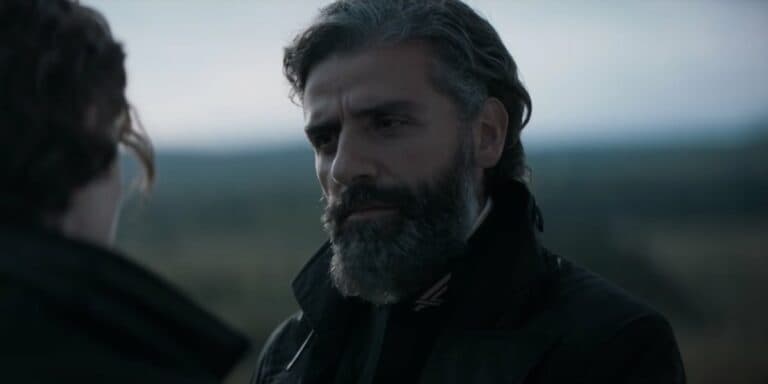
Before venturing into the harsh desert world of Arrakis, Duke Leto does his homework. He studies the terrain, the climate, and the political landscape.
Why? Because he knows understanding the environment means forecasting the challenges and opportunities it presents.
Just like Leto, smart recruiters do more than just read job descriptions—they truly delve into the role.
Take a look at some tricks to study the role inside out:
Think beyond the spice harvest
- What are the day-to-day challenges?
- What unique opportunities does this position offer?
- How does this role fit into the client’s larger goals?
Anticipate the sandworms (obstacles)
This could involve recognizing the scarcity of certain skills in the job market, understanding the competitive landscape for top talent, or identifying potential objections candidates might have about the role or company.
By anticipating these loopholes, you can strategize more effectively, highlighting aspects of the role or company culture that align with applicants’ values and career goals.
Lesson 2: Value cultural fit as much as the skills
House Atreides' approach to alliances and leadership emphasizes the importance of shared values, even in the face of the unforgiving landscapes of Arrakis.Duke Leto Atreides, in particular, understands that the strength of his house lies not just in the abilities of its members but in their shared commitment to honor and justice of the people they lead.
This principle is a powerful lesson for recruiters: the significance of aligning a candidate's personal beliefs and values with the organization's mission and culture.
Think about it: an applicant with impeccable skills but whose values clash with the organization's culture can disrupt team dynamics, lower morale, and ultimately hinder productivity and growth.
On the other hand, a job seeker who embodies the organization's values can enhance team cohesion, drive engagement, and contribute to a positive and productive work environment, even if they need to develop certain skills.
You can follow the tips mentioned below to evaluate cultural fit:
Define your client’s culture
Incorporate values into the recruitment process
Observe behavioral cues
Lesson 3: Look for hidden talent beyond the resume

Young Paul Atreides was thought to be just a future ruler, but he had special powers inside—prescience.
His story, from an ordinary kid to a big-shot leader, has a tip for you.
Often, when looking for new people, recruiters tend to glance only at resumes and past jobs.
This, just like overlooking Paul's hidden talent, can make you miss amazing skills people possess!
For instance, someone might have unique abilities or soft skills like problem-solving or teamwork, but a resume doesn't always show that.
Here's how to be a talent detective, inspired by Paul Atreides:
Dig deeper
Ask about their experiences: how they solved problems, faced challenges, and learned from them.
These stories reveal important qualities like being persistent and quick-thinking, things resumes might miss.
Make them feel comfortable
Not ideal, right? Instead, create a relaxed atmosphere. Encourage them to talk about hobbies or activities outside work.
When people feel at ease, hidden talents and passions shine through, showing how they could fit with your company.
Remember, resumes show facts, but conversations unlock their hidden potential.
Lesson 4: Trust your intuitions

In "Dune," the Reverend Mother Gaius Helen Mohiam possesses a deep, intuitive understanding of Paul Atreides' significance long before others recognize his potential.
Her ability to sense his extraordinary future and the pivotal role he would play in the universe serves as a powerful reminder of the value of intuition in decision-making.
This lesson is particularly resonant in hiring, where recruiters can trust their gut feeling rather than a candidate’s resume.
But how do you hone and trust your intuition?
Gather comprehensive information
Ensure you have a holistic view of what the organization needs and what each applicant brings to the table.
Reflect on past experiences
Reflect on instances where a gut feeling led to a positive outcome or where ignoring it resulted in a missed opportunity.
Lesson 5: Have an emergency plan B

Dr. Liet-Kynes, the imperial planetologist on Arrakis and a secret supporter of the Fremen, demonstrates the critical importance of having contingency plans.
When House Atreides faces betrayal, and its situation on Arrakis deteriorates rapidly, Kynes' ability to adapt previously laid plans becomes invaluable.
This readiness for unforeseen circumstances and the capacity to pivot roles as needed is a lesson of great value for recruiters.
What if your first-choice candidate turns down a job offer, accepts a position elsewhere, or does not meet expectations once in the role?
Having a Plan B ensures that the recruitment process can remain agile and responsive to these changes without significant delays or disruptions.
Below are two basic hacks to develop a Plan B:
Build a talent pool
This pool can be a go-to resource when a Plan A candidate falls through.
Cultivate relationships
Regular communication can keep them engaged and interested in future opportunities within your organization.
There, you have it!
All the recruitment lessons from “Dune: Part One.” Be sure to experience its sequel on the big screens, and let us know what you learned from it as a recruiter.
Frequently asked questions
1. What should I look for when identifying hidden talent in candidates?
Look beyond resumes by digging into candidates' experiences and asking them to share how they’ve solved problems or faced challenges.Create a relaxed interview environment that helps them feel comfortable, encouraging the discovery of hidden talents and soft skills critical to the role.
2. How can I improve my recruitment intuition?
Improve your recruitment intuition by gathering comprehensive information about both the role and the candidate.Reflect on past experiences, both positive and negative, to understand how your gut feelings have influenced successful hires and where they’ve led to mistakes. This helps refine your decision-making process.
3. What should I do if my first-choice candidate turns down the offer?
Maintain a strong talent pool by keeping in touch with other qualified candidates, even if they weren’t right for the initial role.Cultivating relationships and maintaining an active backup plan ensures you can respond quickly, minimizing disruptions to your hiring process.
Blog summary
"Dune" may be an epic space saga, but it offers several valuable recruitment lessons that can help you hire smarter and more effectively. Here are the key lessons from the film:- Always study the role inside out: Just as Duke Leto prepares for challenges on Arrakis, recruiters should fully understand the role, its challenges, opportunities, and how it fits within the company’s larger goals to find the right candidates.
- Value cultural fit as much as skills: House Atreides thrives on shared values, not just skills. Recruiters should ensure a candidate’s values align with the company’s culture for long-term success.
- Look for hidden talent beyond the resume: Like Paul Atreides, candidates often have qualities that aren't reflected in their resumes. Dig deeper into their experiences and personal stories to uncover these traits.
- Trust your intuitions: Just as the Reverend Mother senses Paul’s potential, recruiters should trust their gut instincts when assessing candidates, informed by a broad understanding of the role and the individual.
- Have an emergency plan B: Dr. Liet-Kynes shows the importance of being adaptable. Recruiters should always have a backup plan in case the first-choice candidate doesn’t work out, maintaining a talent pool for unexpected situations.




Blog written by
Chhavi Chugh
Manager, Content at Recruit CRM
Chhavi Chugh is a content strategist at Recruit CRM with expertise in creating research-backed content for recruiters. She develops practical, actionable insights that help recruitment professionals streamline processes, improve outreach, and grow their businesses. Chhavi's work is designed to address the specific challenges recruiters face in today's hiring landscape.
Stay ahead with the smartest
recruitment newsletter out there!
Join the recruiters who never miss what’s next.













 marketing@recruitcrm.io
%201.4700f78c.svg&w=32&q=75) Workforce Cloud Tech, Inc. 28 Mohawk Avenue, Norwood, NJ 07648.
Workforce Cloud Tech, Inc. 28 Mohawk Avenue, Norwood, NJ 07648.


